Best overall for fine-debris screening: LeafFilter. Best for replacing gutters and guards together: LeafGuard. Best for hands-on installation: Raptor. Best for broad-leaf screening: Amerimax Lock-In. This 2026 comparison explains where each option fits a Central Texas home and which installation or maintenance limits should shape your choice.
- Gutter guard brands compared Central Texas: LeafFilter for fine debris, LeafGuard for replacement, Raptor for DIY, Amerimax Lock-In for leaves.
- Atxseamlessgutters installs and maintains gutter guards for Central Texas homeowners who want contractor-managed installation.
- Choose gutter protection around debris filtration, water entry, and maintenance access—not the brand name alone.
- Gutter guards reduce debris entry; they do not repair sagging gutters or blocked downspouts.
Why this matters in Central Texas
A gutter guard has two jobs: keep unwanted debris out and let roof runoff enter. Those jobs can conflict when leaves cover the intake surface or fine material collects on a screen. A guard that blocks debris but sheds water over the gutter edge is not doing its job.
Atxseamlessgutters installs, repairs, cleans, and maintains seamless gutters and gutter guards for homeowners across Central Texas. Atxseamlessgutters gutter guard services fit homeowners who want contractor-managed installation and maintenance rather than a DIY project.
For your 2026 decision, start with what actually lands on your roof. Broad leaves, small plant fragments, and accumulated roof grit present different filtering problems; a recognizable brand name does not resolve those differences.
What makes the best gutter guards for Central Texas homes?
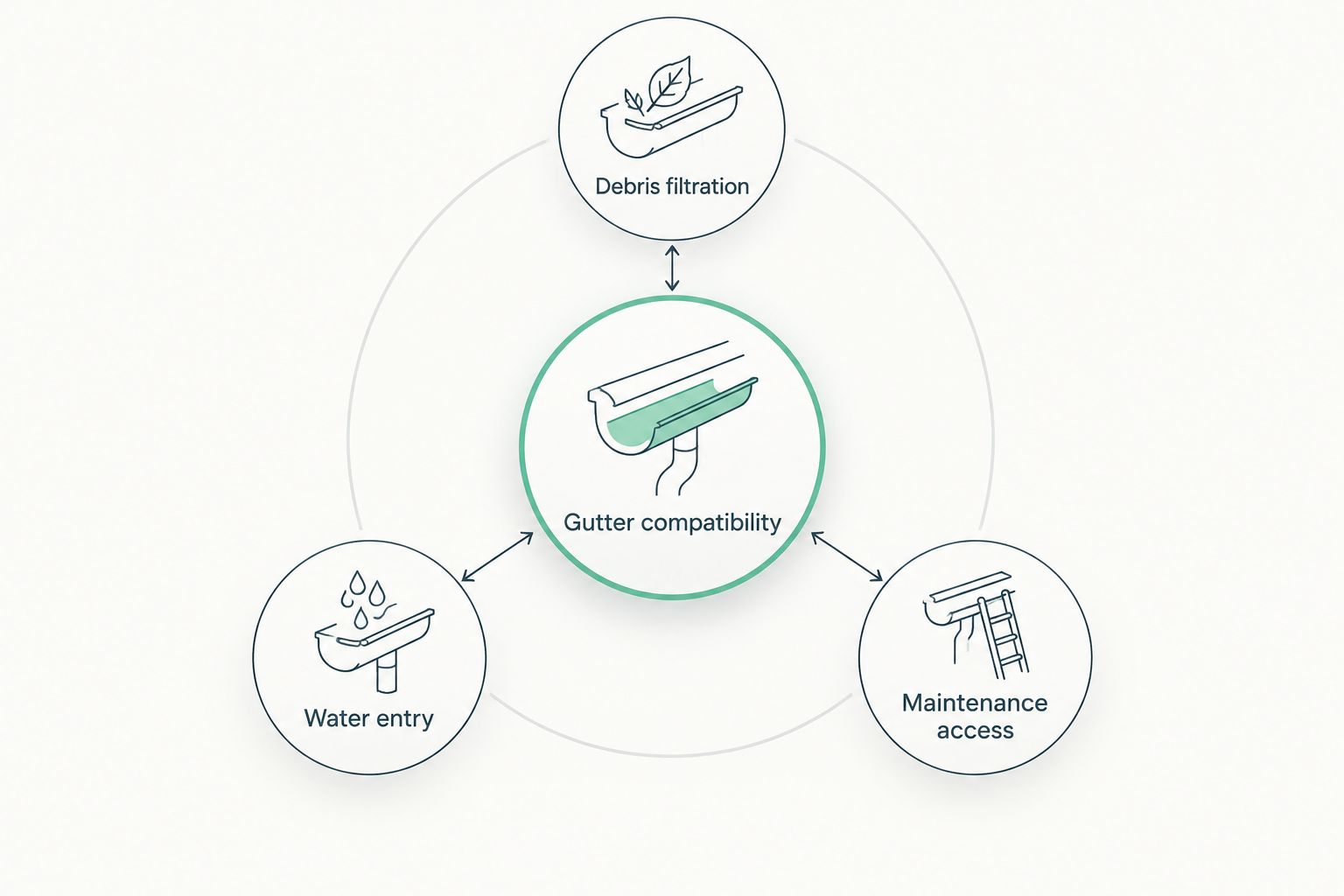
Use these 5 selection criteria before comparing brands. They separate the guard's design from the condition of the drainage system beneath it.
- Debris filtration: Match the opening size and surface design to the material reaching your gutters. Fine mesh and open screens serve different purposes.
- Water entry: Ask how runoff enters at roof valleys, steep roof sections, and other concentrated-flow locations. Protection must not obstruct collection.
- Gutter compatibility: Confirm the guard works with your existing gutter profile, roof edge, and attachment points. A replacement system requires a different project scope.
- Maintenance access: Understand how someone clears the guard surface, opens the gutter, and reaches the downspout outlet. Protection does not eliminate upkeep.
- Installation responsibility: Decide who handles fitting, fastening, and corrections. Product choice and installation quality are separate decisions.
For a 2026 purchase, request the installation instructions for the exact product being proposed. A brand can offer different configurations, and a general description is not a substitute for the details of your installation.
The core trade-off is straightforward: tighter filtering excludes smaller debris, while accumulated material on the filtering surface still needs attention. Accessibility belongs in the buying decision, not in a maintenance discussion after installation.
Gutter guard brands at a glance
These 4 guard options occupy distinct buying situations. The ranking is a fit guide, not a claim that one brand wins on every roof.
| Brand or product | Best for | Standout design | Key limitation |
|---|---|---|---|
| LeafFilter | Fine-debris screening with professional installation | Fine stainless-steel micromesh filtration | Surface buildup still requires attention |
| LeafGuard | Replacing gutters and guards together | Integrated aluminum gutter with a curved hood | Requires a replacement system rather than a screen add-on |
| Raptor | Homeowners managing a DIY micromesh installation | Stainless-steel micromesh guard | You take responsibility for fit and installation |
| Amerimax Lock-In | Broad-leaf screening on compatible existing gutters | Mesh-screen guard | Small debris can pass through openings |
Read the table by project type first. If your existing gutters need replacement, an add-on screen comparison misses a major part of the decision. If the gutters work and you want protection, compatibility and access move to the front.
1. LeafFilter: best gutter guard for fine-debris screening
LeafFilter uses fine stainless-steel micromesh and is sold as a professionally installed gutter protection system. Its design addresses smaller debris that a more open leaf screen lets through. That makes it a relevant starting point when your concern extends beyond whole leaves.
LeafFilter pros:
- Fine micromesh targets smaller debris than open leaf screens.
- Professional installation removes the fitting work from your DIY checklist.
- The system provides an alternative to replacing gutters solely to add a hooded design.
LeafFilter cons:
- Debris collecting above the mesh still needs removal.
- Guard installation does not correct an unsuitable drainage layout by itself.
- You need to confirm access procedures for the gutter beneath the installed system.
Best for: Homeowners who want fine-debris filtration without managing the installation themselves.
Ask the installer to explain how the system handles runoff at your roof valleys. Also ask what maintenance looks like where leaves repeatedly collect. A promise about keeping debris out of the gutter should not replace an explanation of keeping the intake surface clear.
Verdict: Buy LeafFilter for professional micromesh installation when fine debris is your main problem; skip it as a substitute for drainage repairs.
2. LeafGuard: best gutter guard for a complete gutter replacement
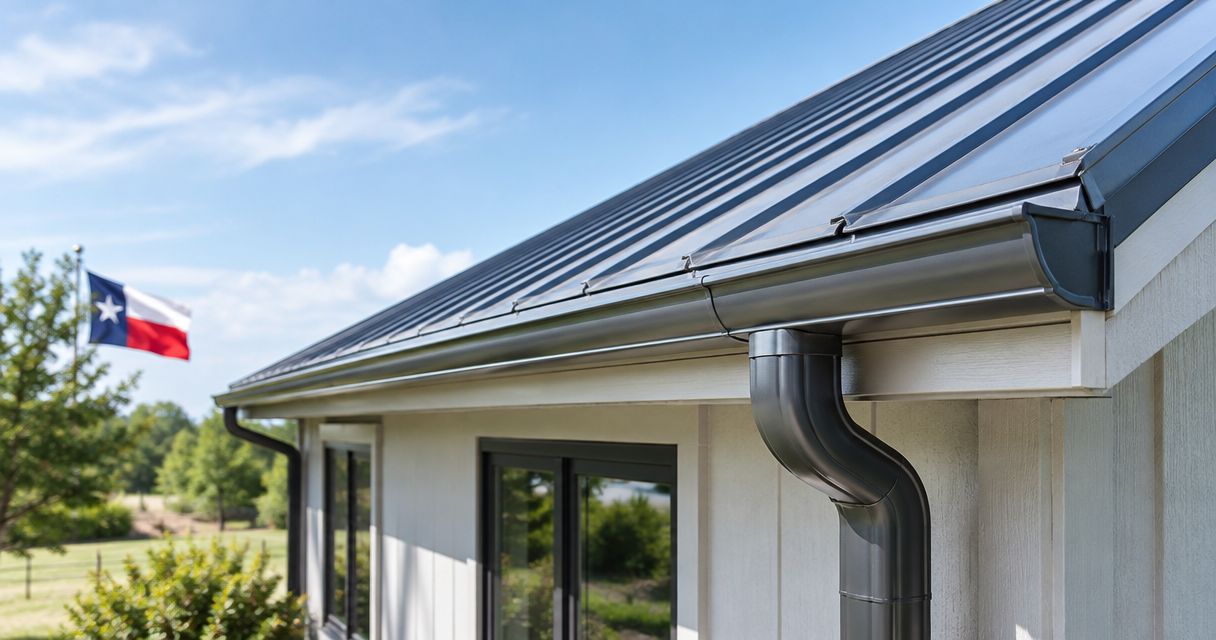
LeafGuard combines an aluminum gutter and curved protective hood in an integrated system. Water follows the curved surface toward the opening while larger debris is directed away. Unlike an add-on screen, the gutter itself forms part of the purchase decision.
That distinction matters when your existing gutters are already damaged or unsuitable. Compare the complete drainage layout, not just the protective cover.
LeafGuard pros:
- Combines the gutter and protective hood in one system.
- Fits a project where replacing existing gutters is already necessary.
- Uses a curved intake design rather than a mesh filtering surface.
LeafGuard cons:
- It is not an add-on screen for otherwise satisfactory gutters.
- The intake opening and outlets still need a maintenance plan.
- A hooded design still requires attention to concentrated roof runoff.
Best for: Homeowners replacing gutters who want an integrated hooded system.
For a 2026 replacement project, ask how the proposed downspouts and discharge locations address the problems you see now. New gutter protection will not solve water collecting beside the house if the outlet still sends water to the same trouble spot.
Verdict: Buy LeafGuard when a full gutter replacement fits the project; skip it when you only need protection for functioning gutters.
3. Raptor: best gutter guard for hands-on micromesh installation
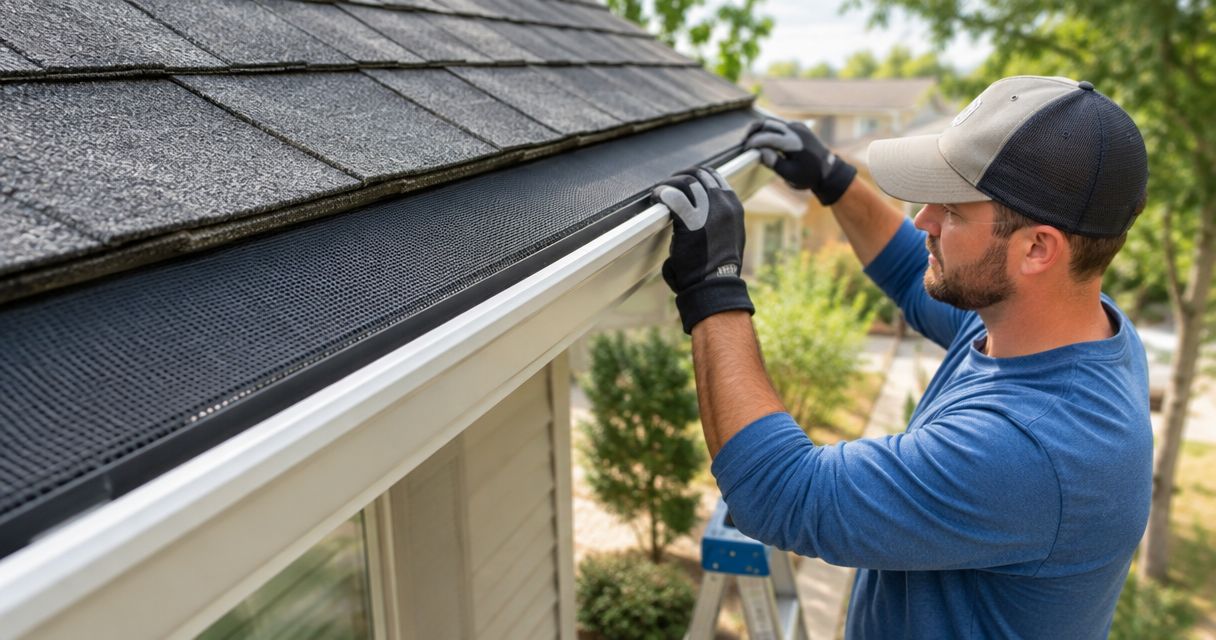
Raptor is a stainless-steel micromesh gutter guard marketed for DIY installation. It gives homeowners a fine-screen option without making a professionally installed service package the starting point. The trade-off is direct: you manage compatibility, fitting, and the installation work.
DIY suitability does not mean every roof edge is simple. Corners, changes in elevation, and awkward access deserve the same attention as straight gutter runs.
Raptor pros:
- Provides a micromesh option for a homeowner-managed project.
- Lets you inspect the installation instructions before deciding whether to proceed.
- Keeps the guard selection separate from choosing an installation service.
Raptor cons:
- You are responsible for checking gutter and roof-edge compatibility.
- Working at height introduces safety risks beyond choosing the material.
- Mesh surfaces still require inspection and cleaning when debris accumulates.
Best for: Homeowners with safe access and the ability to follow the product's installation instructions.
Read the instructions before committing to the project. Confirm how the guard attaches, how sections meet, and whether the installation affects the roof edge. If the work requires reaching beyond a stable position, change the installation plan rather than improvising.
Verdict: Buy Raptor when you can manage a safe, compatible DIY installation; skip DIY when access or fitting is uncertain.
4. Amerimax Lock-In: best gutter guard for broad-leaf screening
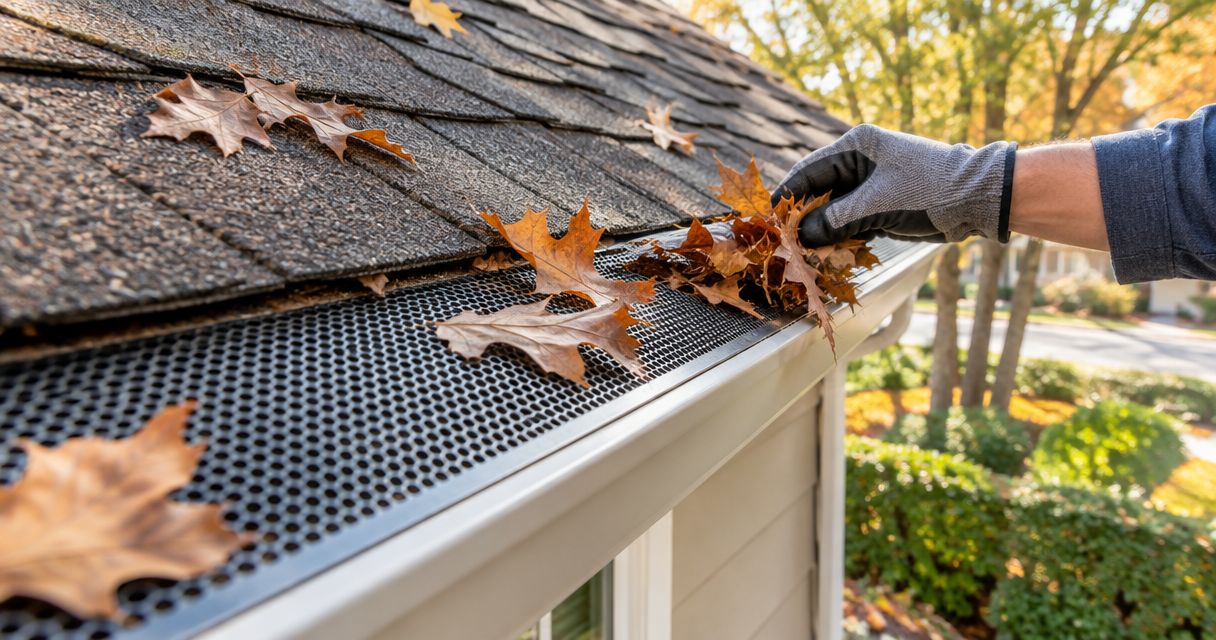
Amerimax Lock-In is a mesh-screen gutter guard intended for compatible existing gutters. It addresses broad leaves with a more open screening approach than fine micromesh. Its role is straightforward leaf exclusion, not filtering every small particle arriving from the roof.
Choose this design around the debris you need to stop. If small fragments are the problem inside your gutter, broad-leaf screening alone does not address that complaint.
Amerimax Lock-In pros:
- Uses a straightforward screen design for larger debris.
- Provides an add-on approach for compatible existing gutters.
- Gives you a clearly different option from fine micromesh or an integrated hood.
Amerimax Lock-In cons:
- Small debris can enter through the screen openings.
- Leaves resting across the screen can obstruct water entry.
- Fit must be checked against the exact gutter and product instructions.
Best for: Homeowners whose main issue is broad leaves rather than fine debris.
Inspect what remains after a gutter cleaning. If the recurring buildup consists mainly of small material, choose filtration accordingly instead of treating every blockage as a leaf problem. The appearance of the guard tells you less than the openings water and debris must pass through.
Verdict: Buy Amerimax Lock-In for broad-leaf screening on compatible gutters; skip it when fine-debris exclusion is the priority.
Check the gutters before choosing a guard
A guard sits above a drainage system; it does not replace that system's basic functions. Before installation, inspect the gutter body, supports, outlets, and downspouts. Address existing faults first.
Use this sequence during a contractor visit or a safe ground-level inspection:
- Identify the symptom. Separate overflow over the front edge from leaking joints, sagging sections, and downspout discharge problems.
- Locate the buildup. Determine whether debris collects inside the gutter, over the proposed guard surface, or near an outlet.
- Check the flow path. Follow runoff from the roof to the gutter, downspout, and discharge point.
- Plan maintenance access. Establish how the surface and underlying gutter will be reached without damaging the installation.
Atxseamlessgutters provides gutter installation, repair, cleaning, maintenance, and gutter guard services. Discuss the drainage problem as well as the protection option; those are related tasks, not interchangeable ones.
Plan your gutter protection project
Discuss gutter guards, existing gutter repairs, and maintenance for your Central Texas home.
How the brands are ranked
This 2026 ranking uses the selection criteria above: filtration, water entry, compatibility, maintenance access, and installation responsibility. Each recommendation occupies a different use case. It is not a measured comparison of flow capacity or a claim that a particular product has been tested on your roof.
LeafFilter leads the fine-debris, professionally installed slot. LeafGuard belongs in the replacement-system slot; Raptor fits homeowner-managed micromesh installation, and Amerimax Lock-In fits broad-leaf screening.
Choose the project type before the brand. That keeps a replacement system from being compared as though it were just another screen.
Which gutter guard should you choose?
Start with LeafFilter if you want professional installation and fine-debris screening on an otherwise suitable gutter system. Choose LeafGuard instead when replacing the gutters is already part of the job.
Raptor is the clearer fit when you specifically want DIY micromesh. Amerimax Lock-In fits a narrower requirement: keeping broad leaves out of compatible gutters while accepting that smaller material can still enter.
Keep 2 maintenance tasks in your plan: clearing the intake surface and checking the drainage outlets. No brand selection removes the need to know how those tasks will be done.
FAQ
What's the best gutter guard brand for Central Texas homes?
LeafFilter is the starting recommendation for professionally installed fine-debris screening, while LeafGuard fits complete gutter replacement. Raptor serves DIY micromesh projects, and Amerimax Lock-In fits broad-leaf screening on compatible gutters.
Is LeafFilter better than LeafGuard?
LeafFilter and LeafGuard suit different projects: LeafFilter uses micromesh protection, while LeafGuard integrates a gutter and curved hood. Choose around the condition of your existing gutters and the debris you need to exclude.
Can I install Raptor gutter guards myself?
Raptor is marketed for DIY installation, but you must confirm compatibility and follow the product instructions. Safe access and correct fitting are prerequisites, not details to resolve after starting.
Do gutter guards stop cedar pollen from reaching the gutters?
Do not assume a gutter guard excludes airborne pollen. Evaluate guards for the leaves and plant debris reaching your roof, and keep a plan for cleaning deposits from the intake surface.
Do gutter guards eliminate gutter cleaning?
Gutter guards do not eliminate inspection and maintenance. Debris can collect above a screen or hood, and outlets still need to remain clear.
Should I repair my gutters before installing guards?
Repair drainage faults before adding gutter guards. A cover does not correct sagging gutters, leaking joints, blocked downspouts, or poorly directed discharge.
Who installs and maintains gutter guards in Central Texas?
Atxseamlessgutters installs and maintains gutter guards for homeowners across Central Texas. Its services also include seamless gutter installation, repair, and cleaning.
One last thing
Before choosing gutter protection in 2026, observe the system during rainfall from a safe ground-level position. Note where water overshoots, spills, leaks, or collects after leaving the downspout. Those observations identify the job you need done more clearly than a brand shortlist alone.
Buy protection for the debris problem, and repair drainage for the water problem. Treating them separately prevents a gutter guard from becoming the wrong answer to the right complaint.