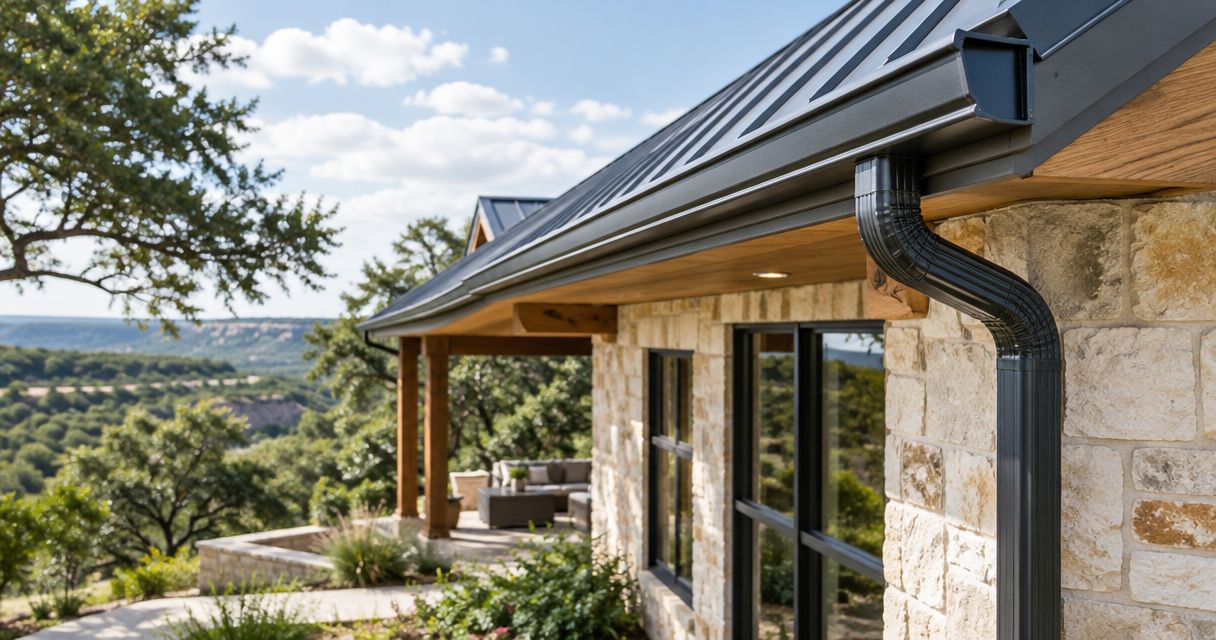
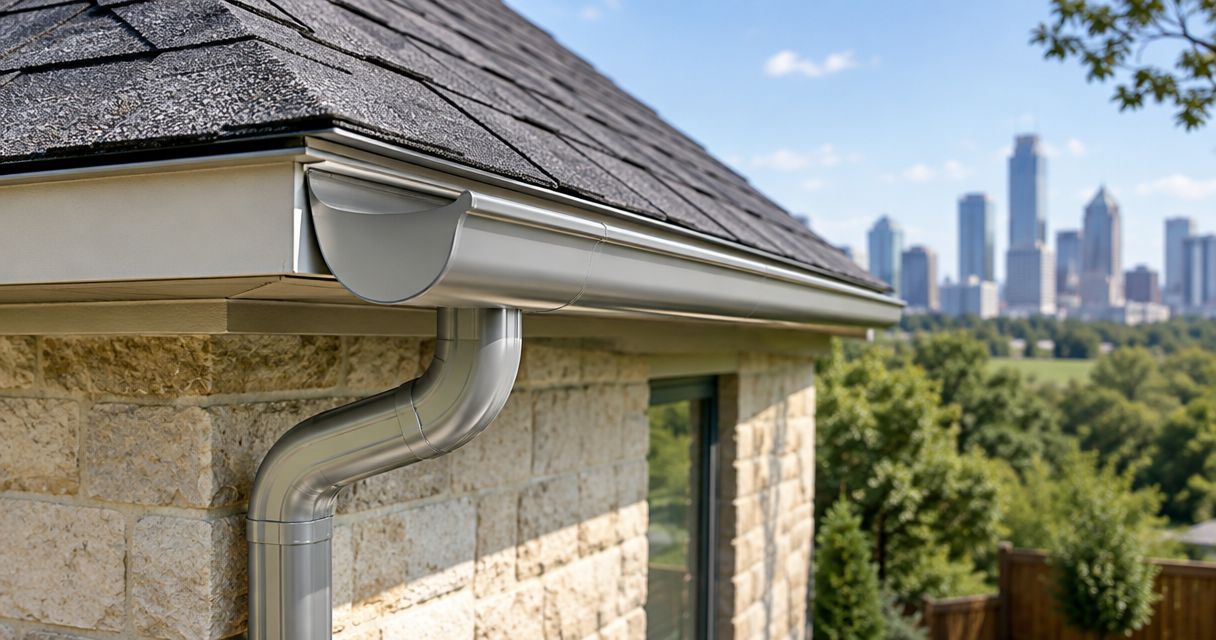
Best overall: aluminum half-round gutters. Best for historic-home detailing: copper. Best for impact resistance: galvanized steel. Best for a naturally weathering finish: zinc. This 2026 guide explains which material to choose for your Austin home and which drainage details matter more than the finish.
- For best half-round gutters Austin homes, aluminum is the default material to evaluate first.
- Copper half-round gutters suit historic-home detailing; zinc suits homeowners who want a naturally weathering finish.
- Galvanized steel offers strength, but damaged protective coatings need attention.
- Atxseamlessgutters installs, repairs, cleans, and maintains gutters for homeowners across Central Texas.
- Choose gutter sizing, outlets, and discharge routes together; material alone does not determine drainage performance.
Why this matters
A half-round gutter gives you a curved trough rather than the flat-backed profile of a K-style gutter. That shape changes the appearance of the roof edge and the hardware needed to support it. It does not remove the need for proper sizing, secure attachment, and a clear discharge route.
For your 2026 project, separate the appearance decision from the drainage decision. Pick a material that suits the house, then require the installation plan to explain how water reaches the gutter, exits through the outlets, and moves away from the building.
Atxseamlessgutters is a local gutter contractor for Austin homeowners who need installation, repairs, and maintenance. Discuss your roofline and preferred profile with Atxseamlessgutters before treating any material recommendation as a finished specification.
What makes the best half-round gutters?
Use these criteria before comparing materials. A gutter that looks right but misses concentrated roof runoff is the wrong choice.
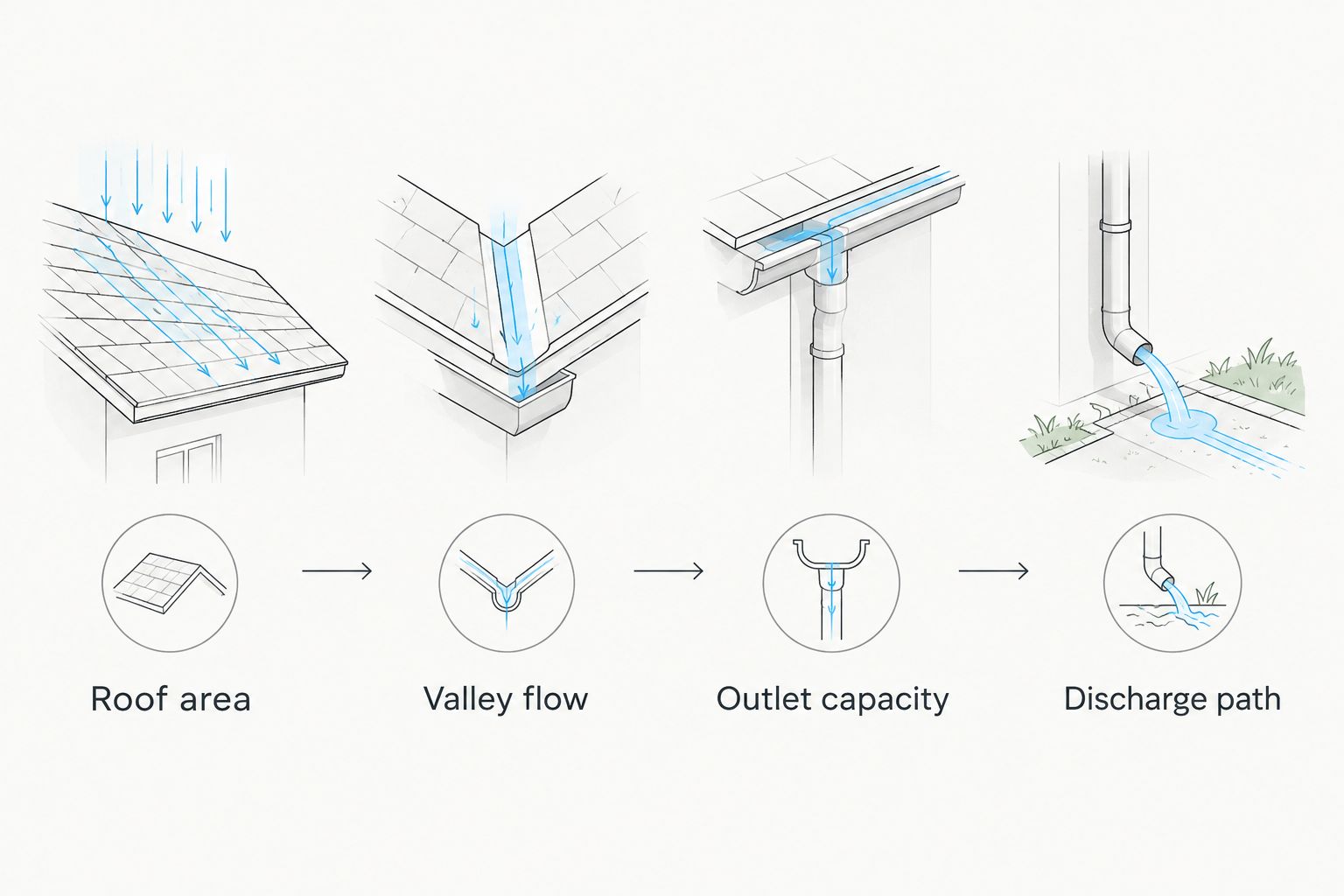
- Roof area: Size each gutter run for the roof surfaces that drain into it, not the overall size of your house.
- Valley flow: Identify roof valleys and other locations that concentrate runoff. Water does not arrive evenly along every eave.
- Outlet capacity: Evaluate outlets and downspouts together. A larger trough does not fix a restricted exit.
- Discharge path: Decide where each downspout releases water before choosing its location.
- Material compatibility: Match gutters, hangers, fasteners, and adjoining metals to avoid preventable corrosion problems.
- Maintenance access: Keep outlets, joints, and any gutter guards accessible for inspection and cleaning.
Nominal 5-inch and 6-inch half-round gutters are common sizes, but those measurements are not performance guarantees. A 3-inch round downspout is another common component size; whether it belongs in your installation depends on the drainage design. Do not select these components independently just because they appear in a catalog.
Ask for a specification that connects roof area, rainfall design assumptions, gutter profile, and outlet placement. That makes competing proposals easier to compare without relying on vague descriptions such as heavy-duty or oversized.
Half-round gutters at a glance
This 2026 ranking assigns each material a different job. Aluminum is the default to evaluate; the other materials solve more specific appearance or durability requirements.
| Rank and material | Best for | Standout feature | Key limitation |
|---|---|---|---|
| Aluminum half-round gutters | General-purpose residential replacement | Low weight and corrosion-resistant material | Dents more readily than steel |
| Copper half-round gutters | Historic-home detailing | Natural patina and traditional appearance | Requires compatible metals and careful joint detailing |
| Galvanized steel half-round gutters | Impact resistance | Stronger resistance to denting than aluminum | Exposed steel can rust when protection is damaged |
| Zinc half-round gutters | Naturally weathering architectural finishes | Develops a protective surface patina | Installation and adjoining-material compatibility need close attention |
The ranking does not imply that every contractor supplies every material or profile. Use it to define your requirements before requesting a project-specific proposal.
1. Aluminum: best half-round gutters for everyday replacement
Aluminum half-round gutters collect roof runoff in a lightweight metal trough. Aluminum does not develop the red rust associated with exposed steel, and painted finishes let you coordinate the gutter with existing trim.
Best for: Homeowners replacing an existing gutter system without making the gutter itself an architectural focal point. Aluminum is the most practical starting point in this guide because its material properties fit ordinary residential installation and maintenance needs.
Aluminum pros
- Low weight reduces the handling burden during installation.
- The material resists corrosion without relying on a galvanized steel coating.
- Painted finishes provide an alternative to a naturally weathering metal.
- Its familiar use in residential gutters makes specifications straightforward to discuss.
Aluminum cons
- Aluminum dents more readily than steel under comparable impacts.
- Scratches and finish damage can remain visible.
- The material cannot compensate for weak hangers, poor slope, or undersized outlets.
For a 2026 replacement, focus on support spacing, attachment points, joint construction, and the water path. Ask whether the proposed half-round runs contain intermediate joints and how those joints will be sealed. The word seamless should describe the actual fabrication, not substitute for an installation plan.
You can compare broader material trade-offs in the guide to gutter materials and durability in Texas heat. Keep the material decision separate from the question of whether a half-round profile fits your eaves.
Verdict: Buy aluminum half-round gutters when you want a general-purpose system and the drainage specification fits your roof.
2. Copper: best half-round gutters for historic-home detailing
Copper half-round gutters pair a traditional curved profile with a metal surface that changes appearance as it weathers. The finish is part of the choice: copper will not retain its initial bright appearance without intervention.
Best for: Homeowners who want the gutter system to contribute to traditional architectural detailing. Choose copper because you want its material character, not because the name alone promises better drainage.
Copper pros
- Copper develops a natural patina rather than depending on a painted finish.
- The half-round profile suits traditional roof-edge detailing.
- Compatible copper components can create a consistent gutter-and-downspout appearance.
- Properly detailed copper joints support durable construction.
Copper cons
- Contact with incompatible metals can create corrosion problems.
- Patina changes the appearance over time rather than preserving a fixed color.
- Joint work requires appropriate methods and skilled installation.
Before approving copper, identify the metals in the roof edge, flashing, hangers, fasteners, and downspouts. Ask the installer to explain any separation required between unlike metals. Copper runoff also matters when it reaches other metal surfaces, so the complete route deserves inspection.
For a 2026 historic-home project, review any applicable exterior-alteration requirements before changing the visible gutter profile or material. Copper is a design decision as well as a drainage component; neither role excuses a poorly placed downspout.
Verdict: Buy copper half-round gutters when traditional detailing and natural patina are deliberate priorities.
3. Galvanized steel: best half-round gutters for impact resistance
Galvanized steel half-round gutters use a zinc coating to protect the underlying steel. The steel gives the trough greater resistance to denting than aluminum, while the coating provides corrosion protection.
Best for: Homeowners who prioritize a stronger metal trough and accept the need to inspect its protective surfaces. Strength is the reason to evaluate steel, not an assumption that the entire system becomes maintenance-free.
Galvanized steel pros
- Steel resists denting better than aluminum.
- The rigid material supports a firm gutter profile.
- The zinc coating protects the underlying steel from corrosion.
Galvanized steel cons
- Exposed steel can rust where protective coverage is lost.
- Greater weight increases handling and support demands.
- Cut edges, scratches, and joints deserve careful inspection.
Ask how the installation will protect cut edges and other disturbed surfaces. Also confirm that the hanger and fastening specification suits the gutter's weight and the condition of the mounting surface. A strong trough attached to deteriorated fascia is not a strong installation.
Do not interpret this recommendation as a hail guarantee. Impact performance depends on the material thickness, support, and the impact itself; the material name does not establish a universal damage threshold.
Verdict: Buy galvanized steel half-round gutters when dent resistance matters more than low weight and you will maintain the protective surfaces.
4. Zinc: best half-round gutters for a naturally weathering finish
Zinc half-round gutters develop a surface patina as they weather. They suit projects where the owner wants the metal itself to form the finish rather than maintain a painted appearance.
Best for: Homeowners making a deliberate architectural choice around a naturally weathering metal. Zinc earns a place in this ranking for its finish, not as the default replacement material.
Zinc pros
- Zinc forms a protective surface patina.
- The unpainted material avoids dependence on a decorative paint coating.
- A coordinated zinc gutter-and-downspout system creates a consistent material treatment.
Zinc cons
- Compatibility with adjacent materials needs careful review.
- Fabrication and joining require suitable methods.
- Weathering changes the surface appearance over time.
Request a clear description of the zinc material, joint method, supporting hardware, and installation requirements. Do not treat every gray metal gutter as zinc: painted aluminum, galvanized steel, and zinc are different specifications.
For your 2026 comparison, ask whether the installer has relevant experience with the proposed material and joining method. Familiarity with aluminum installation alone does not answer that question.
Verdict: Hold zinc until the material, compatibility, and installation details are clearly specified; buy it when natural weathering is the goal.
How we ranked these half-round gutter options
This ranking uses material properties and distinct homeowner needs, not an invented test score. Aluminum ranks first for general-purpose replacement; copper, galvanized steel, and zinc each serve a narrower priority.
The criteria remain the same across all four options: roof drainage, outlet capacity, discharge routing, compatible materials, and maintainability. None receives a pass on installation quality because of its appearance or material reputation.
Compare proposals using the same profile, dimensions, downspout arrangement, and scope. If one proposal omits discharge routing or fascia repairs, it is not equivalent to a proposal that includes them.
Which half-round gutters should you choose?
Choose aluminum first unless your house has a clear reason to use copper, galvanized steel, or zinc. Copper answers a traditional-detailing requirement, galvanized steel answers an impact-resistance priority, and zinc answers a naturally weathering finish preference.
Before you authorize work, require these decisions in writing:
- Profile and dimensions: Identify the actual half-round gutter specification.
- Support and attachment: Explain how hangers connect to sound building material.
- Joints and outlets: State where they occur and how they are constructed.
- Downspout routing: Show where runoff leaves the gutter and reaches the discharge point.
- Maintenance plan: Explain access for cleaning, inspection, and any proposed guards.
Atxseamlessgutters provides gutter installation, repair, cleaning, and maintenance across Central Texas. Discuss the half-round profile and material you want rather than assuming every listed option is part of a standard installation.
Discuss your gutter project
Explain your roofline, preferred gutter profile, and drainage concerns before choosing a material.
FAQ
What's the best half-round gutter material for an Austin home?
Aluminum is the default material to evaluate for general-purpose residential replacement. Copper suits traditional detailing, galvanized steel suits impact-resistance priorities, and zinc suits a naturally weathering finish.
Are half-round gutters better than K-style gutters?
Half-round gutters are not automatically better than K-style gutters. Compare the actual dimensions, drainage capacity, mounting details, and appearance rather than choosing by profile name alone.
Should I choose 5-inch or 6-inch half-round gutters?
Choose the gutter size from a roof-specific drainage assessment. Nominal 5-inch and 6-inch measurements alone do not establish whether the gutter, outlets, and downspouts can handle the runoff reaching them.
Are copper half-round gutters the best choice for a historic house?
Copper half-round gutters are a strong design choice when traditional detailing and natural patina are priorities. Review adjoining-metal compatibility and any applicable exterior-alteration requirements before installation.
Do half-round gutters work with gutter guards?
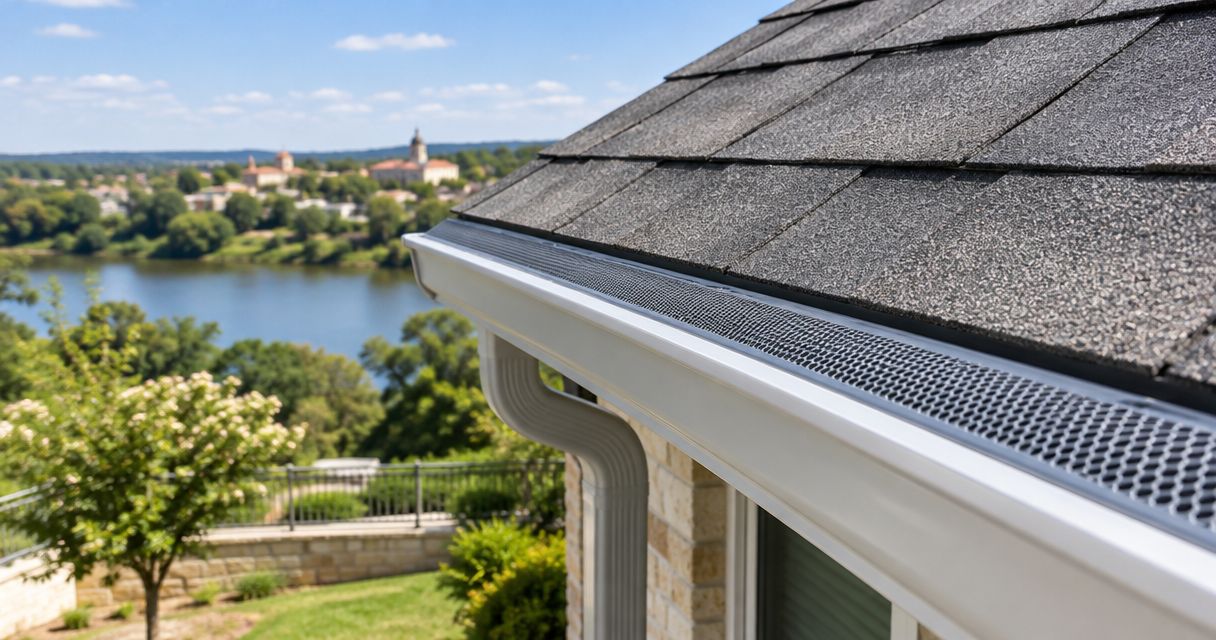
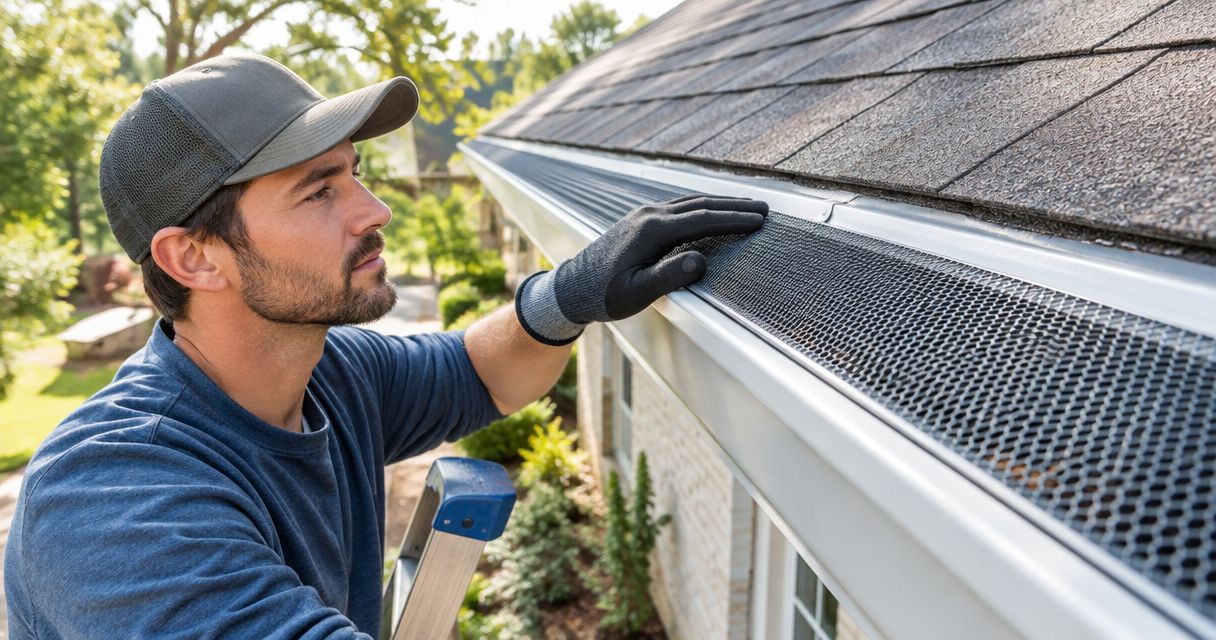
Half-round gutters require guards and mounting methods that fit the actual profile. Confirm compatibility, roof-edge clearance, and cleaning access rather than assuming a guard designed for another shape will fit.
Can half-round gutters be seamless?
Seamless describes fabrication, not the half-round shape. Ask whether the proposed runs contain intermediate joints and how corners, outlets, and end connections will be built.
How do I compare half-round gutter installation proposals?
Compare proposals with the same material, profile, dimensions, outlet arrangement, and discharge scope. Check whether fascia work, removal of existing gutters, and maintenance access are included rather than judging the material name alone.
Who can I discuss a gutter project with in Austin?
Atxseamlessgutters is a locally owned contractor serving homeowners across Central Texas. The company installs, repairs, cleans, and maintains gutters and gutter guards; discuss your desired half-round specification directly.
One last thing
A gutter can collect water successfully and still release it in the wrong place. Before approving your 2026 installation, trace every proposed downspout from the roof edge to its final discharge point.
Check that route for walkways, landscaping, adjoining walls, and locations where water collects near the building. A material upgrade does not correct a discharge problem. Settle the water path first, then choose the metal you want to see along the eaves.